110_How_to_Spot_Sketchy_Supplement_Marketing_Fast_in_2
How to Spot Sketchy Supplement Marketing Fast in 2026
Supplement shopping has evolved quite a bit in recent years. By 2026, what we call “modern supplement brands” often promise everything from supercharged energy to miracle-grade health transformations. But is it all for real? Not usually. The influx of supplement scams, miracle claims supplements, and aggressive before and after ads can make it pretty overwhelming for everyday people, especially if you’re just browsing casually or signed up for newsletters like those from Our Good Life, Inbox Besties, or following Grow Your Own Joy.
In this post, I’ll share how to quickly spot sketchy supplement marketing without needing a degree in chemistry or clinical studies. We’ll cover label-reading basics, the role of third-party testing, and what to know about the way supplements come (capsules, gummies, powders, or liquids). You’ll walk away feeling confident to dodge scams and find the truly transparent brands worth considering.
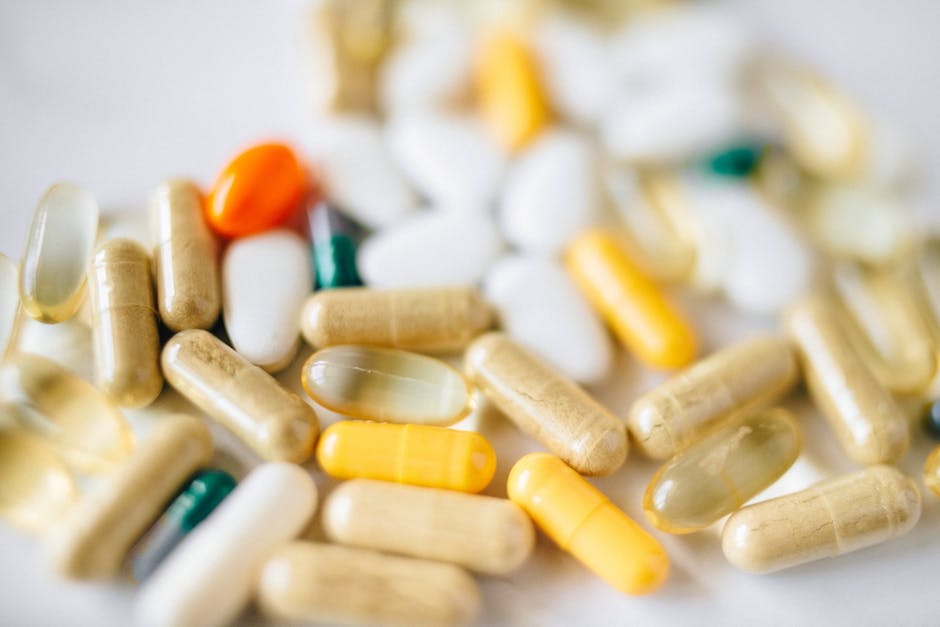
Understanding “Modern Supplement Brands” in 2026
First up, what does “modern supplement brands” mean these days? The supplement market has exploded beyond traditional options like multivitamins. Now you’ll find brands with slick websites, Instagram ads, and email newsletter opt-in forms promising tailored formulas, biohacking benefits, or overnight results backed by “science.” Many of these are direct-to-consumer brands leveraging online marketing tactics.
While some brands genuinely prioritize ingredient quality and transparency, others often rely on:
- Miracle claims supplements that promise unrealistic health fixes.
- Before and after ads using heavily edited or anecdotal pictures.
- Excessive hype language that sounds more like infomercials than straightforward info.
Knowing the landscape helps you stay alert. For instance, if you’re on a blog or newsletter like Inbox Besties and you see flashy ads promising “new science breakthroughs” or “exclusive early access” with a risk-free trial that automatically enrolls you in expensive subscriptions, pause and think.
Label-Reading Basics for Regular People
Labels on supplement bottles can look intimidating, but you don’t need a science degree to glean the essentials. Here’s your simple routine for checking supplement labels every time:
- Check the Ingredient List: If it’s vague, like “proprietary blend” or has ingredients you can’t pronounce without explanation, that’s a red flag.
- Look for Dosage Clarity: How much of each ingredient is included? Sometimes brands list tiny amounts that likely won’t deliver benefits.
- Note the Serving Size & Form: Capsules, gummies, powders, and liquids all absorb differently. Consider what fits your routine for compliance.
- Avoid “Miracle” Buzzwords: Words like “detox,” “fat burner,” “cure,” or “instant” are often exaggerations.
For example, while browsing the Grow Your Own Joy wellness blog, you might come across supplements that blend herbal extracts with vitamins. See if they list milligram amounts and compare them to standard daily recommended intakes. If they don’t, you’re better off skipping.
Third-Party Testing and Transparency: Your Best Allies
One of the most reliable ways to avoid supplement scams is to look for third-party testing seals. These indicate the product has been independently verified for:
- Purity — no harmful contaminants like heavy metals or microbes.
- Potency — the ingredients match labeled amounts.
- Safety — generally recognized as safe for consumption.
Some recognizable third-party testers include USP (United States Pharmacopeia), NSF International, and ConsumerLab. If a brand isn’t upfront about testing, be skeptical.
Many sketchy brands focus on bombarding you with flashy marketing rather than transparency. So here’s a tip: check the company’s website for a dedicated “testing” or “quality” page. If you find it, review the reports or certificates they provide.
Brands like Our Good Life typically embed transparency into their story and make quality central, while less reputable ones will tend to skip this public honesty.
Forms and Delivery Matter: Capsules, Gummies, Powders, or Liquids
Another thing to factor is how the supplement is delivered. The form influences absorption speed, convenience, and sometimes ingredient stability.
Form Pros Cons Good for Capsules Portable, tasteless, stable Slower absorption, not for those who dislike swallowing pills Vitamin blends, herbs, minerals Gummies Tasty, easy to take, kid-friendly Often higher sugar, may have lower potency Vitamins like C, D, and multivitamins Powders Flexible dosing, mix with drinks or food Taste can be unpleasant, less portable Protein, greens, electrolytes Liquids Quick absorption, adjustable dose Shorter shelf life, sometimes strong flavor Herbal extracts, concentrated vitamins
When you spot ads with supplement samples or trial offers, pay attention to the form they’re pushing. Sometimes gummy supplements are marketed as an easy “miracle fix,” but they might not contain enough active ingredient to match capsules or powders. That’s why learning to read labels as emphasized above is key.
How to Spot the Red Flags of Supplement Scams Fast
Let’s sum up some quick warning signs that you’re dealing with questionable marketing or potential supplement scams:
- Miracle Claims Supplements: “Lose 20 pounds in a week,” “cure your disease,” or “instant energy booster” wording.
- Before and After Ads: Over-the-top photos with no verifiable source or testimonials that feel scripted.
- Lack of Clear Ingredient Info: Proprietary blends without dosages or vague lists.
- Pushy Email Newsletter Opt-In Forms: Promises of “exclusive deals” or “free gifts” that quickly lead to expensive auto-subscriptions.
- No Third-Party Testing or Transparency: No lab reports or quality assurance info available.
- Too Good to Be True Pricing: Discounts for first-time subscribers that skyrocket after initial purchase.
If you encounter these, take a deep breath and walk away or do more research. Brands like Our Good Life and Grow Your Own Joy are more aligned with grounded, consumer-empowered health solutions rather than hype.
A Simple Next Step: Use Newsletter Navigation to Research Brands
Here’s a tiny lifestyle hack when you’re juggling daily emails or blog posts recommending new supplements – use the blog-style navigation anchors or searchable terms within newsletters to really explore company claims before you buy. For example, if a newsletter like Inbox Besties shares a supplement link, search your inbox for reviews, ingredient discussions, and transparency updates they may have shared at different times. This lets you build a balanced view without a huge time commitment.

Final Thought: Your Routine, Your Pace
Remember: you don’t need to overhaul your entire health routine at once. Start your supplement detective work by slowly integrating these steps:
- Read labels carefully, focusing on ingredients and amounts.
- Check for third-party testing badges and test results.
- Avoid miracle claims and before and after ads at face value.
- Favor brands that are transparent and well-reviewed.
- Consider the delivery form that fits your morning or evening routine.
By taking these small steps, you’ll soon develop an intuitive radar for spotting sketchy supplement marketing terristeffes.com fast — saving your wallet, your time, and your health.
Happy supplement shopping! And if you’re curious for more everyday health tips without the hype, you might enjoy signing up for newsletters like Our Good Life or checking out the thoughtful reviews on Grow Your Own Joy.