How Long Before Bed Should I Stop Looking at Screens?
In our always-connected world, screens are everywhere — from phones https://smoothdecorator.com/why-do-i-get-headaches-when-i-sleep-poorly/ and tablets to laptops and TVs. For many women juggling busy days, these devices are lifelines for work, social connection, and winding down. But when it comes to sleep, especially the last hour before bed, screens may be doing more harm than good.
Let’s dig into the why behind the struggle to put devices down, explore the unique sleep challenges women face across their life stages, and share practical tips for building a sleep routine that truly supports rest and recovery.
Why Does the Last Hour Before Bed Matter?
The time just before sleep is pure gold for setting up your night for success. It’s when your brain starts dialing down alertness and shifting into rest mode. But screen use during this period can disrupt these natural rhythms. Here’s how:
Blue Light at Night and Sleep Disruption
Screens emit blue light, which mimics daylight—great for daytime alertness, but tricky at night. Exposure to blue light in the evening can:
- Suppress melatonin production, a hormone critical for sleep onset
- Delay your internal clock (circadian rhythm), making it harder to fall asleep
- Increase brain activity, making it tough to wind down mentally
Research shows that using screens within one hour of bedtime can shift melatonin secretion and push sleep time later, reducing total sleep duration and quality.
More Than Just Light: Mental Load and Bedtime Anxiety
For women, the last hour before bed is often loaded with mental chatter—unfinished to-do lists, relationship worries, or spinning thoughts about work and family. This mental load can spike anxiety, making screens a tempting distraction or source of stimulation, ironically worsening sleep.
One practical tool to handle this is a 10-minute wind-down where you jot down any lingering tasks or worries in a notebook (I keep a paper notebook by my bed for just this reason). This brain dump helps clear your mind and signals you to relax.
Women-Specific Sleep Disruptors Across Life Stages
Women’s sleep needs and challenges change throughout life. Hormones play a starring role in sleep quality, and life changes add layers of complexity.
- Premenstrual insomnia
- Cramping pain
- Emotional swings
- Frequent urination
- Back pain
- Heartburn
- Anxiety
- Hot flashes/night sweats
- Vaginal dryness causing discomfort
- Increased anxiety/depression
- Sleep apnea risk increases
- Chronic health conditions affecting sleep
- Changes in circadian rhythm
- Loneliness and mental health
What This Means for Screen Use Before Bed
Given hormonal sensitivity, women may be particularly vulnerable to the sleep-wrecking effects of blue light and mental stimulation in that critical last hour before bed. Tailoring your screen habits with life stage and personal rhythms in mind makes a difference.
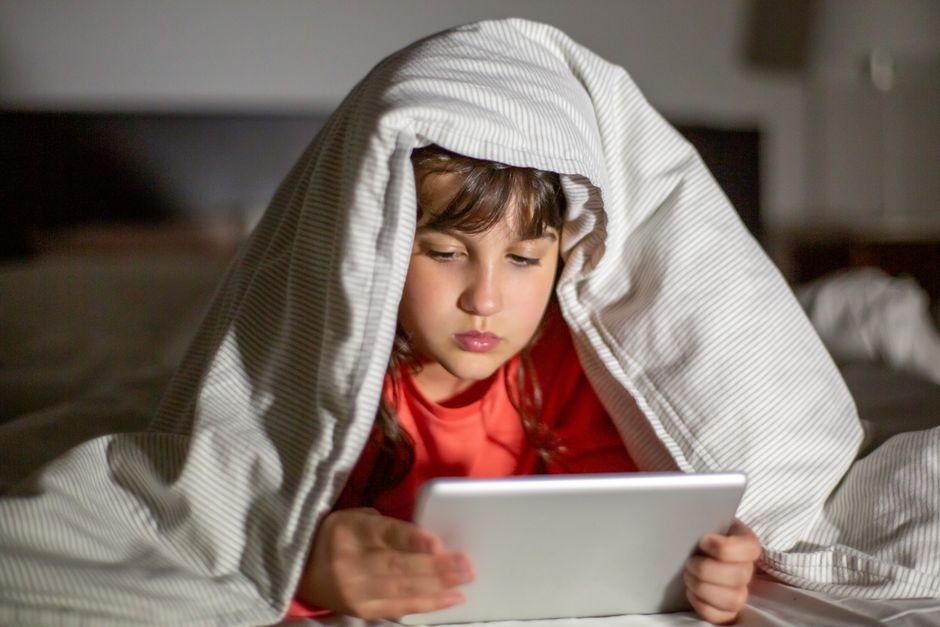
How Long Before Bed Should You Stop Looking at Screens?
The short answer: aim to stop screen use at least one hour before your planned bedtime. As a general rule, the last hour before bed should be screen-free, allowing your natural melatonin cycle to ramp up.
Here’s a quick breakdown from sleep experts and the Women In Balance sleep calculator:
- 1 hour before bed: No screens. Begin winding down with relaxing activities like reading a paper book, gentle yoga, or meditation.
- 30 minutes before bed: Turn off bright lights. Use amber or red light bulbs if needed, which have less impact on melatonin.
- 10 minutes before bed: Brain dump in a notebook to offload mental activity and anxiety.
While some people might tolerate shorter screen-free times, a full hour is a sweet spot for most to reduce blue light impact and calm their mind.
What If You Must Use Screens at Night?
Sometimes work or family responsibilities leave little choice but to use screens late. If that’s https://highstylife.com/what-does-sleep-hygiene-actually-mean-in-real-life/ your situation, consider these strategies:
- Blue Light Filters: Use device settings or apps like Night Shift (iOS), Night Light (Windows), or f.lux that reduce blue light emission.
- Lower Brightness: Dim your screen to the lowest comfortable level.
- Wear Blue Light Blocking Glasses: Specialized glasses can filter out blue wavelengths effectively.
- Set a Hard Stop Time: Even if you use screens late, create a cut-off point (e.g., 30 minutes before bed) to switch to non-screen activities.
Building a Sleep Routine that Works for You
A calming bedtime routine is your secret weapon to counter the challenges of modern screen life and women’s unique sleep disruptors. Here’s a simple template inspired by experts and my own years of writing about sleep:
- 1 hour before bed: Turn off screens. Switch to quiet or gentle hobbies like journaling, knitting, or listening to soft music.
- 50 minutes before bed: Dim lights and engage in light stretching or breathing exercises.
- 30 minutes before bed: Take a warm shower or bath to lower core body temperature afterward, signaling readiness for sleep.
- 20 minutes before bed: Do your 10-minute brain dump in a notebook to clear intrusive thoughts.
- 10 minutes before bed: Read a physical book or do a mindfulness exercise while lying in bed.
- Bedtime: Aim to be asleep around the time your body naturally wants, which women can estimate using tools like the Women In Balance sleep calculator.
Stick to your schedule consistently—even on weekends—to keep your circadian rhythm steady.
The Bottom Line: Screens and Your Sleep Are a Balancing Act
Quality sleep is a foundation for overall health, especially for women navigating shifting hormones and mental load at every life stage. The last hour before bed is a window to protect your sleep by stepping away from screens, easing anxiety, and signaling your body it’s time to rest.
Remember, there's no miracle fix. Instead, prioritize manageable habits like a 10-minute wind-down, cutting screens 60 minutes before sleep, and using helpful tools like the Women In Balance sleep calculator to better understand your body's needs.
Try these steps tonight and watch your sleep, mood, and energy gradually improve—because good rest is not a luxury, it’s your birthright.
Further Resources
- Women In Balance Sleep Calculator
- Sleep Foundation: How Blue Light Affects Sleep
- National Institute on Aging: Tips for Better Sleep