Should I Let the Lob Go in Pickleball if I Am Older?
Playing pickleball as we age brings both joy and challenges. One common question that comes up around the benches—right after "What changed in the last two weeks?"—is whether older players should chase those lobs or just let them fly. I’ve spent nearly a decade talking with orthopaedists, PTs, and rec-league players while counting warm-up minutes out loud, so let’s break this down with an eye toward longevity, injury prevention, and smart play.
Point Not Worth the Fall: Is Chasing the Lob Risky for Older Players?
It’s tempting to sprint back and hammer down that lob, but for many older players, that backward stumble can be a big deal. The risk of falling backward chasing a ball is real—and the consequence can turn a fun game into days or weeks of recovery.
One orthopaedist I spoke with told me, "Overuse and frequency of injury matter far more than a single dramatic moment on the court." What does that mean? It means that how often you push your aging tendons, joints, and muscles—and how you do it—makes a huge impact on your long-term health. Spending precious energy and risking a backward stumble for a low-percentage point might not be worth it.
- Risk vs. Reward: That lob is rarely worth the chance of falling or twisting a knee.
- Energy Conservation: Save your energy for the points you *can* play smarter, not harder.
- Injury Prevention: Reduce repetitive strain by avoiding high-risk moves unnecessarily.
Why Aging Tendons Need a Gentler Approach
Our tendons don’t bounce back the way they used to. Aging tendons adapt slower and tolerate sudden loads less well, which makes chasing lobs—or any sudden stretching or lunging—more dangerous https://smoothdecorator.com/why-does-my-ankle-feel-wobbly-in-pickleball-even-when-it-is-not-sprained/ if you are over 50.
Orthopaedists stress the importance of listening to your older athletes tendon recovery body’s subtle signals. Instead of ignoring early discomfort, acknowledge it. Overuse and frequency, not one freak mishap, usually cause persistent tendon issues.
Rotator Cuff and Elbow: Warning Signs to Watch
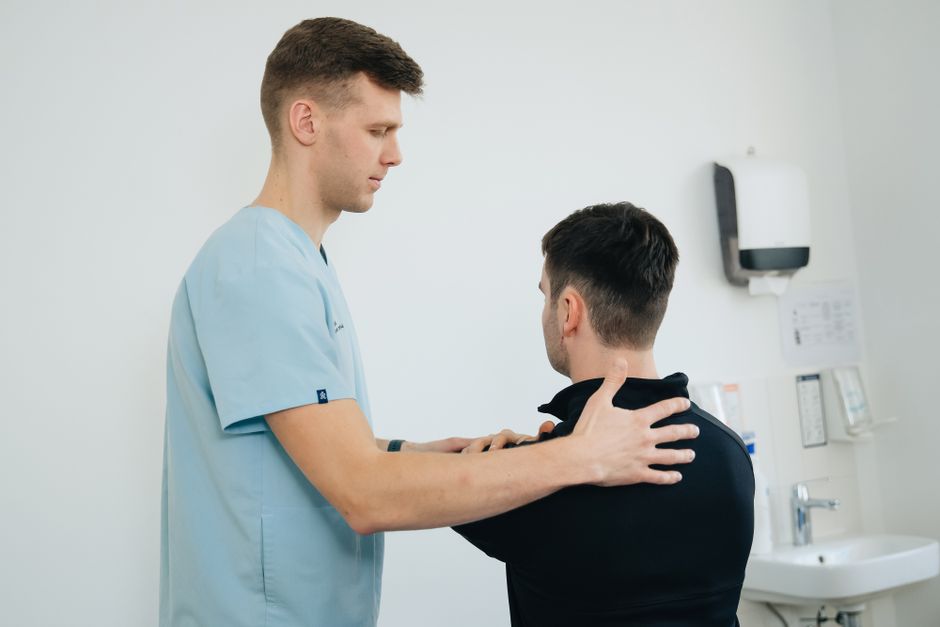
Two common trouble spots for pickleball enthusiasts over 50 are the rotator cuff and elbow. Here’s what to watch for:
Injury Area Warning Signs Cause Rotator Cuff Night pain, difficulty reaching behind back Gradual tendon irritation from repetitive overhead swings Elbow Pain during grip or arm-dominant shots Tight grip and over-reliance on arm instead of whole-body mechanicsThe good news? Playing smarter not harder, as many players wisely note, helps protect these vulnerable spots.
Play Smarter Not Harder: Practical Tips to Reduce Backward Stumble Risk
Here are my top recommendations after years of chatting with physical therapists and seasoned players who’ve learned the hard way:
- Let the Lob Go. Protect your knees, hips, and back by stepping back calmly instead of lunging or scrambling backward.
- Refine Your Grip. Avoid a death grip that torques your elbow; loosen your hold slightly and focus on fluid wrist movement.
- Engage Your Core. Use your torso and hips to generate power instead of overusing your arm, which reduces elbow and shoulder strain.
- Warm Up Thoroughly. Don’t skip the first 8-10 minutes; I say this on the courts and I’m counting warm-up minutes out loud. Warm muscles and tendons handle loads better.
- Use Supportive Aids Wisely. For chilly mornings or if inflammation flares, some players swear by natural aids like Joy Organics’ organic CBD gummies to help stay comfortable and mobile—though remember everyone’s response differs.
The Restoration Advantage: Recovery and Routine
After a long game or a heavy weekend of play, take extra care with recovery. Stretch, hydrate, and pay attention to any niggling pains. If rotator cuff irritation or elbow pain shows up, consider a short rest period. Ice, gentle stretching, and professional advice can prevent problems from snowballing.
Don’t hesitate to explore products like Joy Organics organic CBD gummies as part of your recovery toolkit. Players I've interviewed appreciate these as a non-magical, natural complement to a disciplined recovery routine.

Photo Credit
Enjoy this action shot of a graceful pickleball lob to remind us that sometimes the best play is knowing when to step back and let the ball go, by Brendan Sapp / Unsplash.
Summary: Should You Let the Lob Go?
Answering this question thoughtfully requires balancing risk, play style, and your body's signals. Here’s a quick breakdown:
- If you’re older: Probably yes—letting the lob go reduces backward stumble risk and protects aging tendons.
- Focus on mechanics: Loosen your grip, use your core, and avoid arm-dominant shots to ward off elbow and shoulder pain.
- Warm-up and recovery: Don’t skip those first 8-10 minutes, and consider natural aids such as Joy Organics organic CBD gummies for inflammation support.
- Play smarter not harder: Prioritize longevity and fun over a single risky point—your body will thank you.
So next time the lob arcs high overhead, take a breath, step back with grace—and keep those tendons happy for many seasons of pickleball ahead!